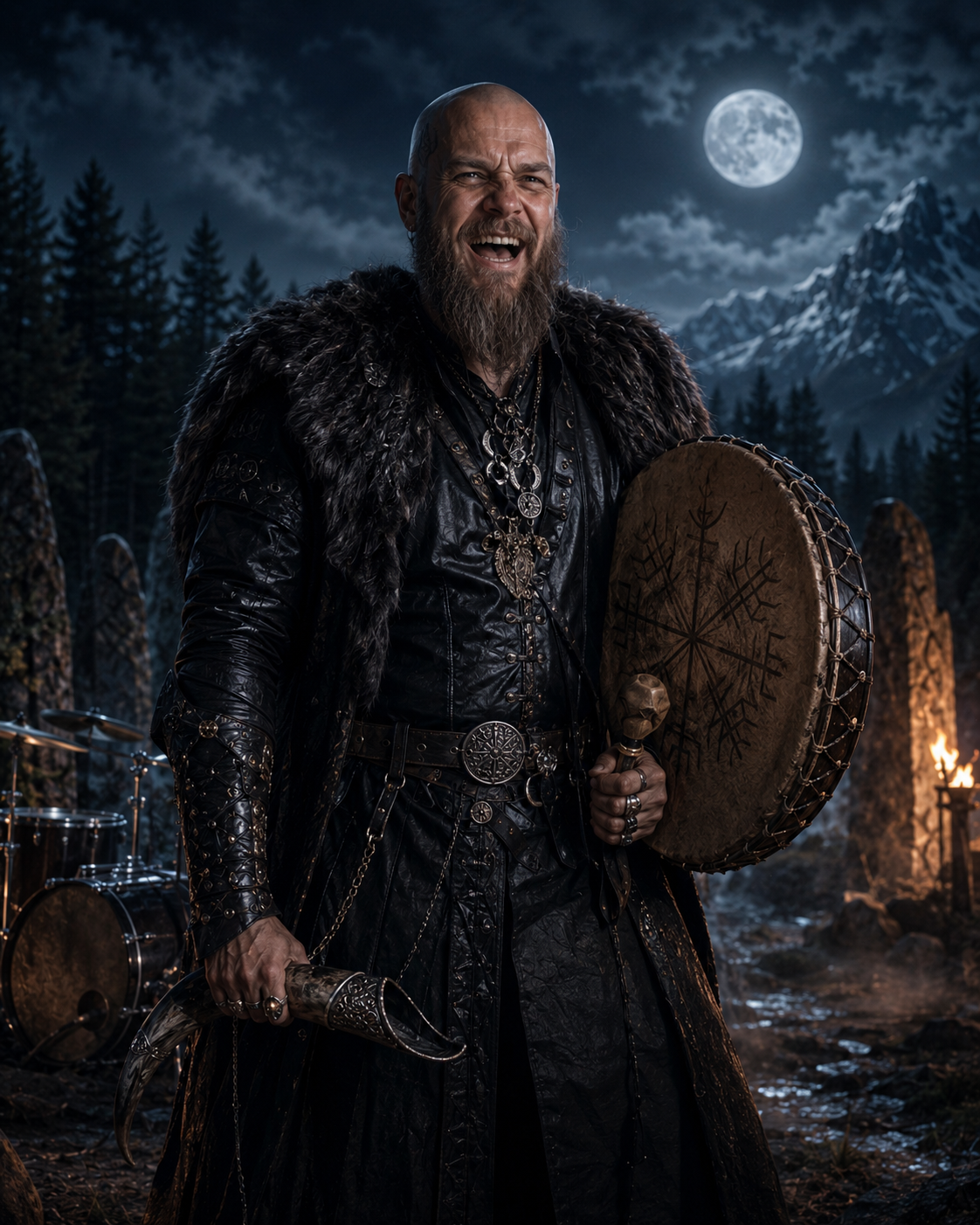
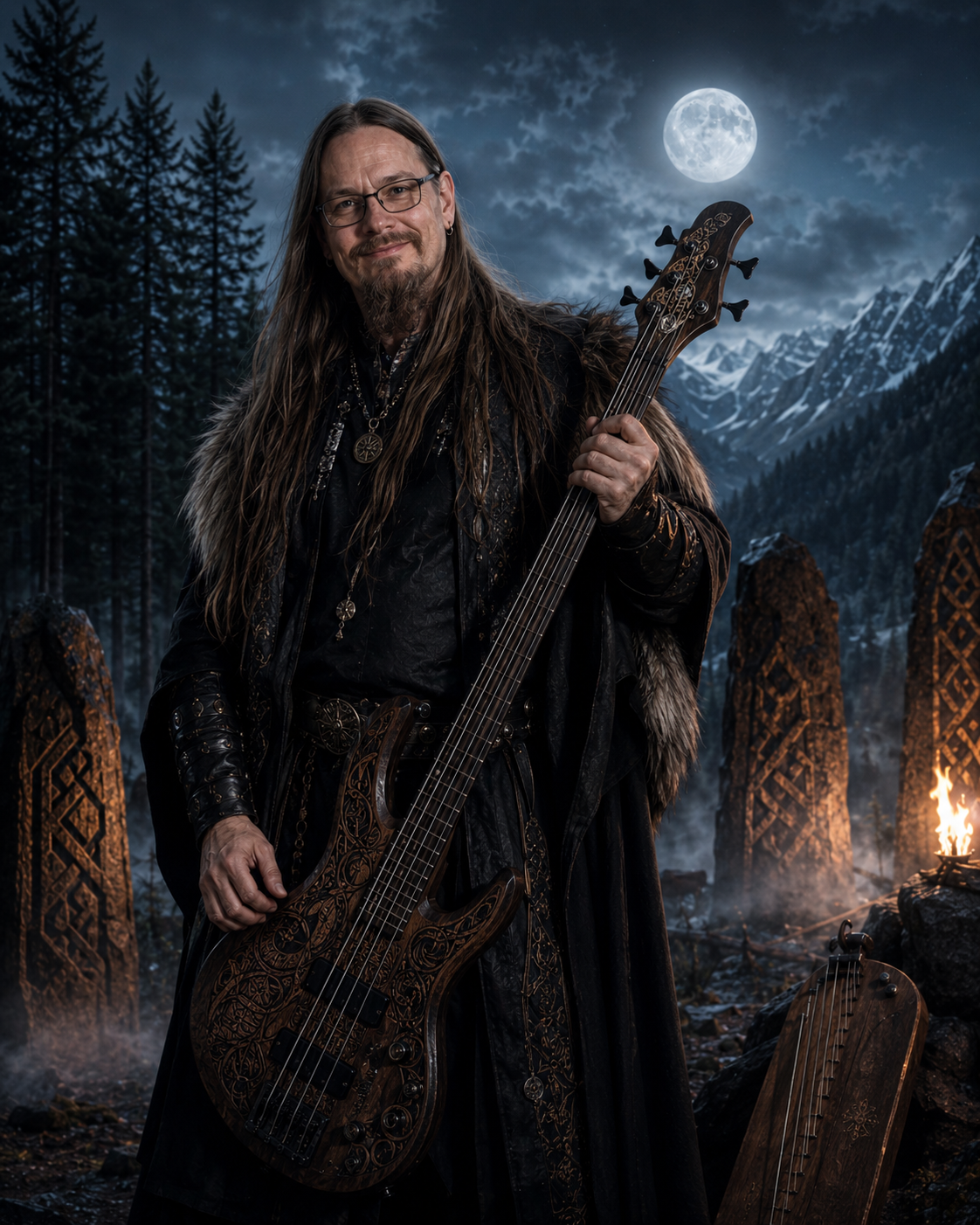
Heyr Oss, Skogarmóðir
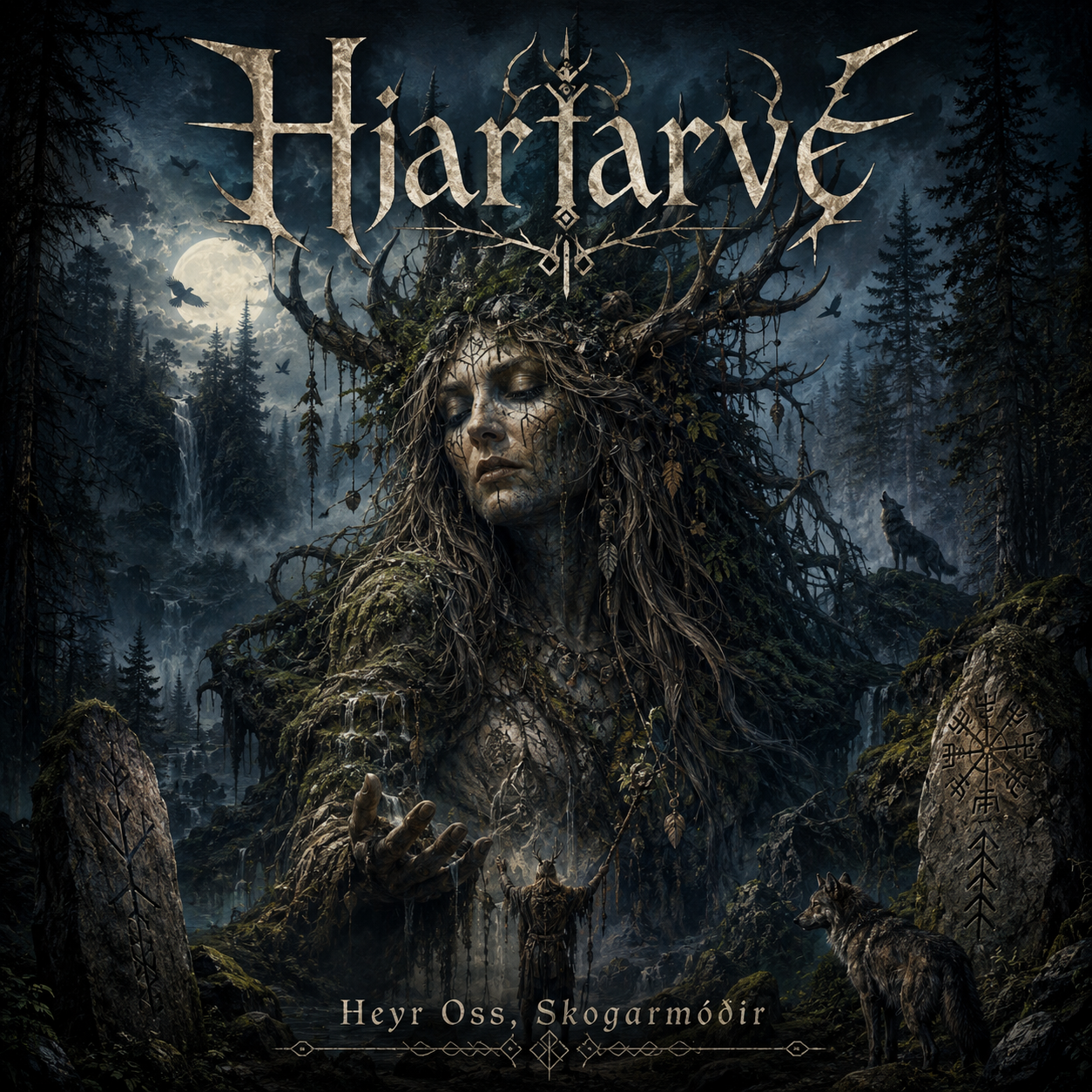
8 tracks · independent releaseThere are folk metal records that wear the antlers, and there are folk metal records that grew them. Hjartarvé's debut, "Heyr Oss, Skogarmóðir" — roughly, "Hear Us, Forest-Mother" — belongs unambiguously to the second category. It is an album that does not so much arrive as appear, the way a wolf appears at the treeline: you did not hear it walking, and now it is simply there, regarding you.
The setup is deceptively old-fashioned: eight tracks, a single concept, no skits, no guest vocalists, no apologies. A warband walks into the forest, invokes its goddess, buries its dead, marches to victory, drinks itself stupid, gets stalked by something the elder folk will not name, and watches the world freeze around it until a wandering vǫlva trades her marrow for the spring. If that summary sounds like a fantasy novel synopsis, understand that the band does not treat it as one. There is no winking, no metal-as-cosplay grin. The album is sung the way one sings a thing one believes.
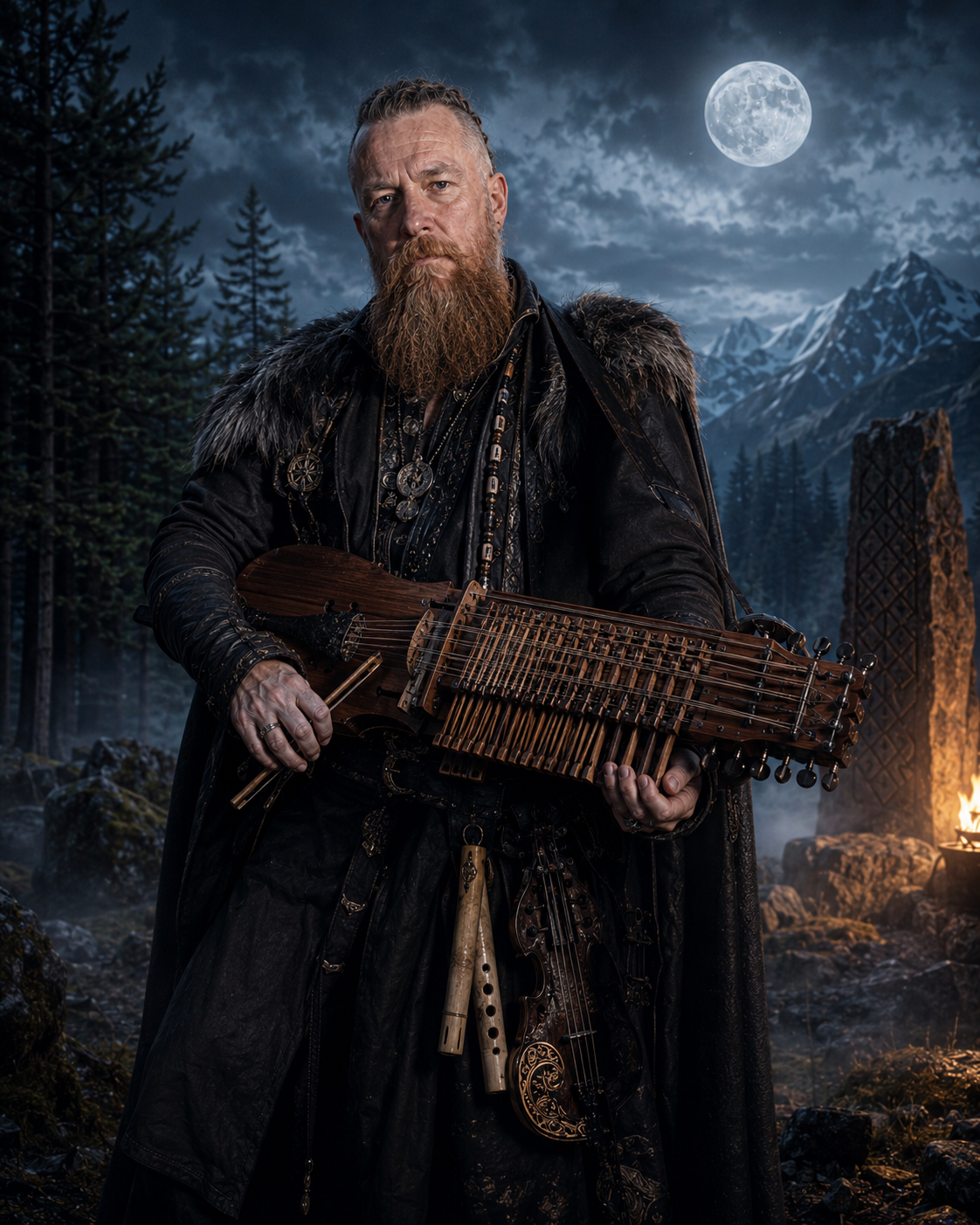
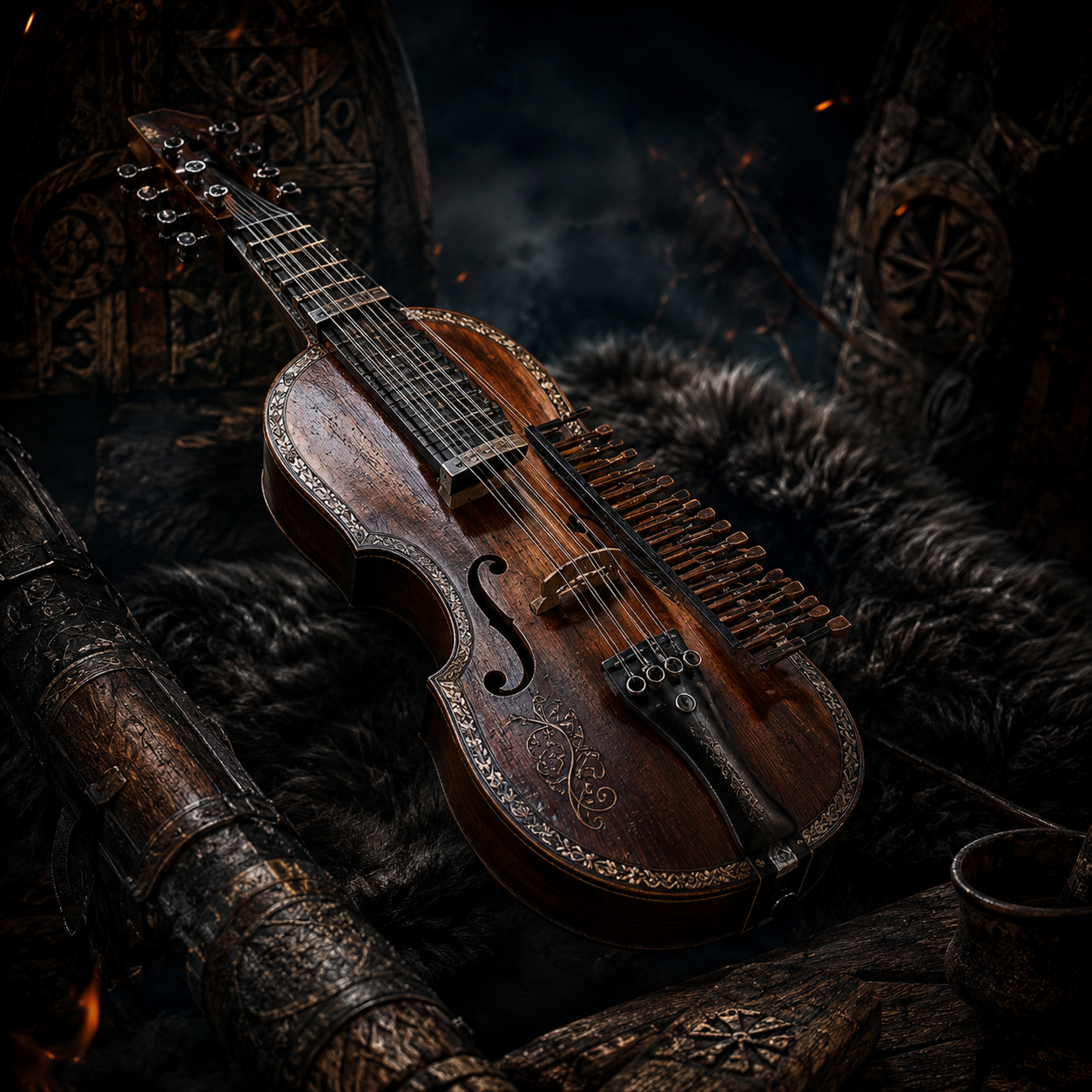
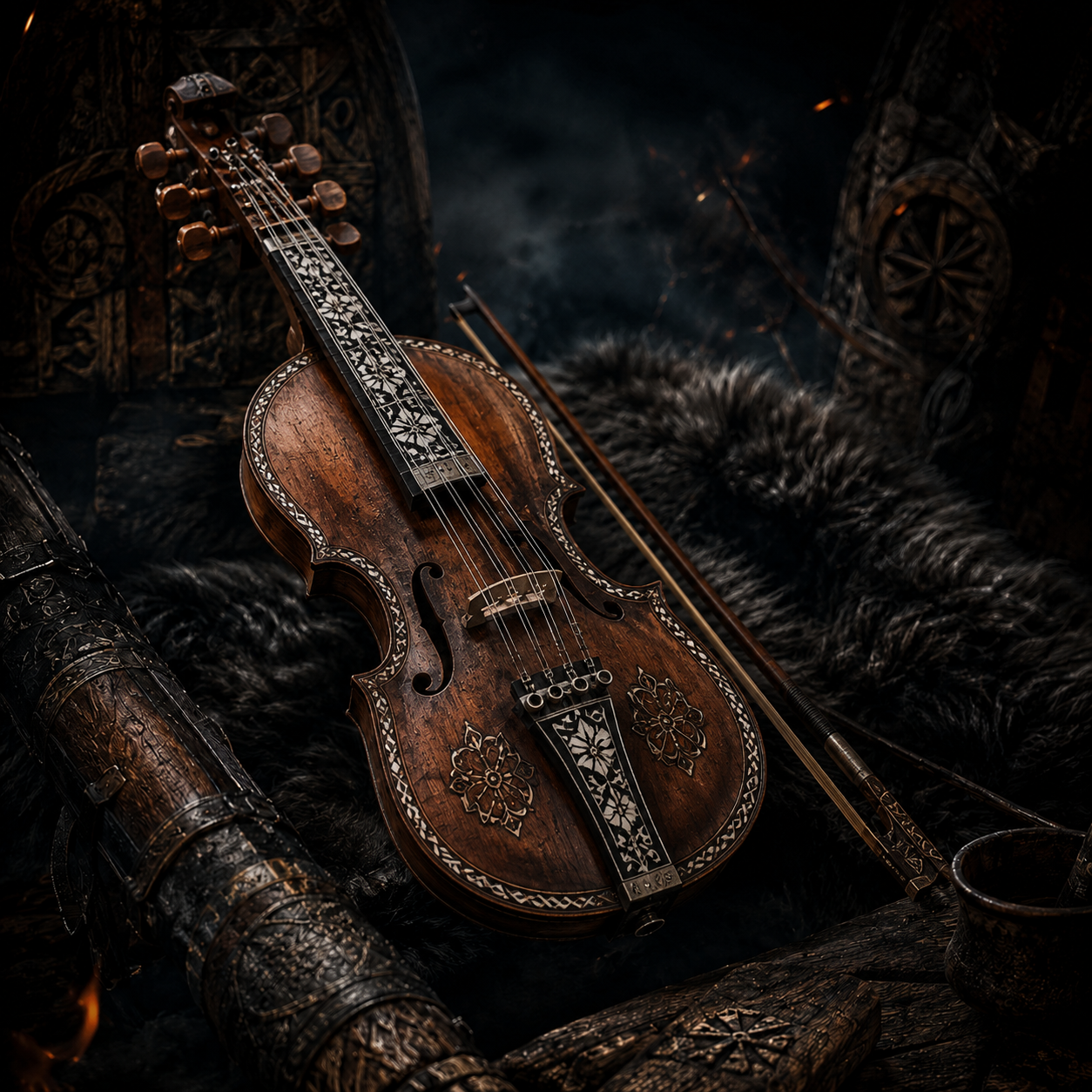
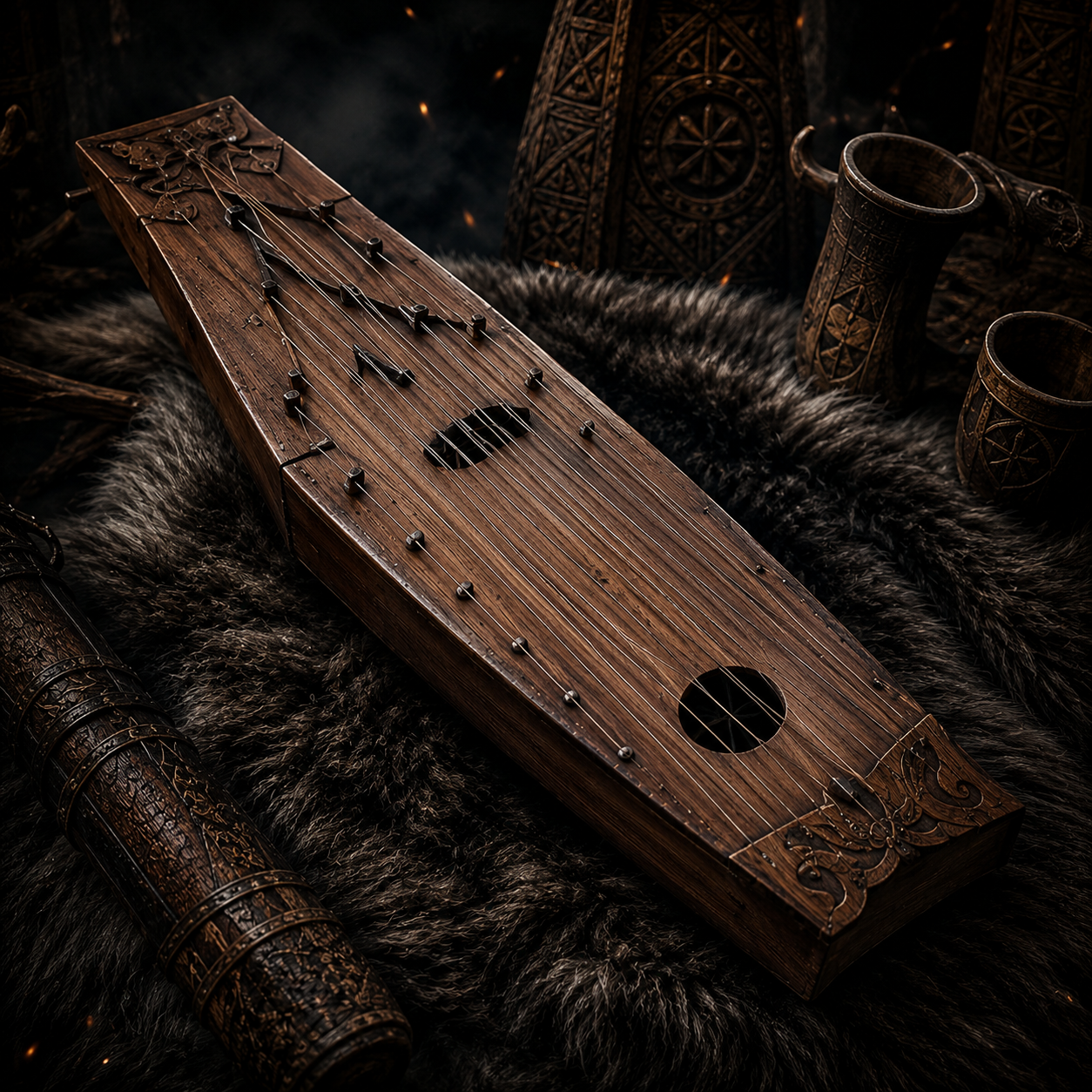
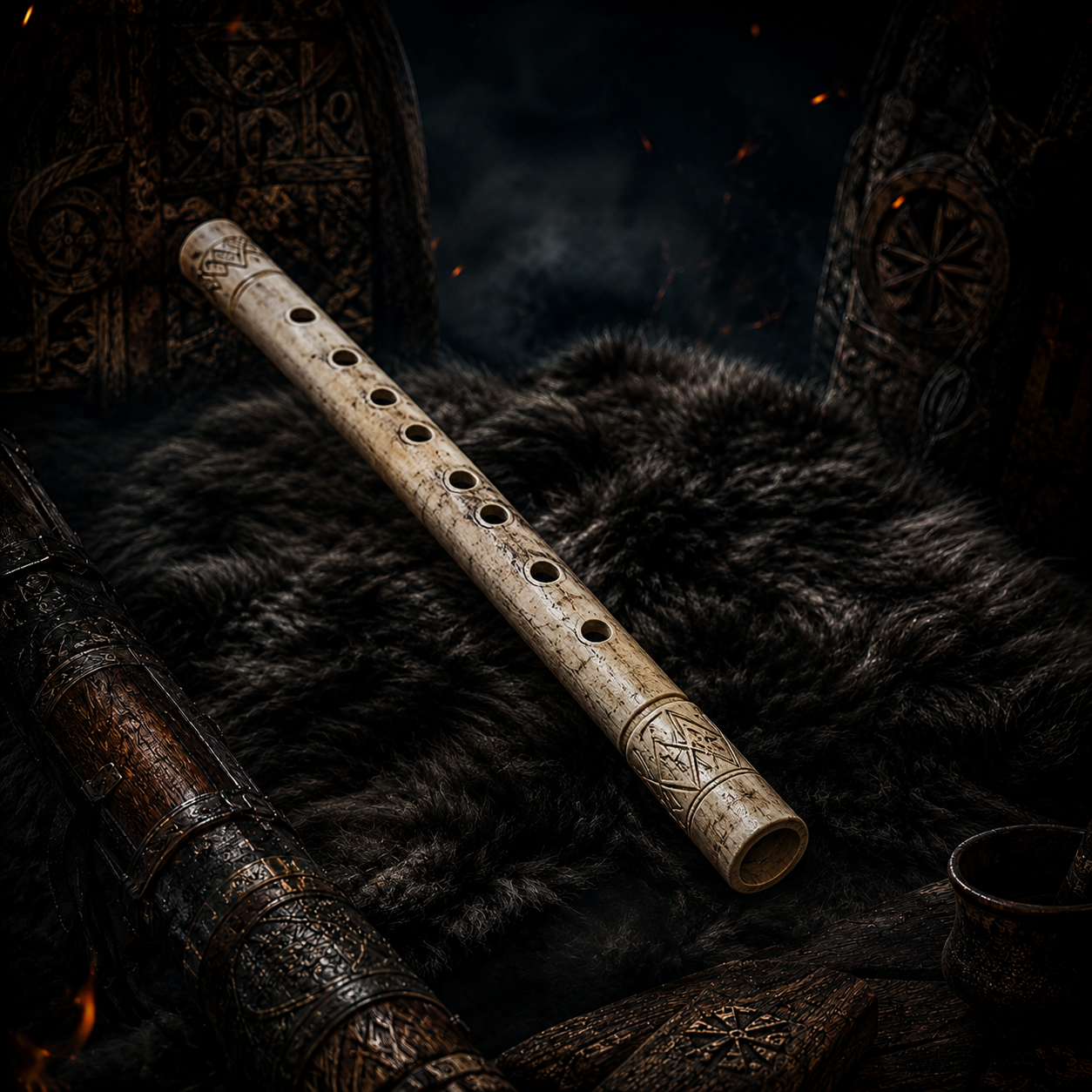
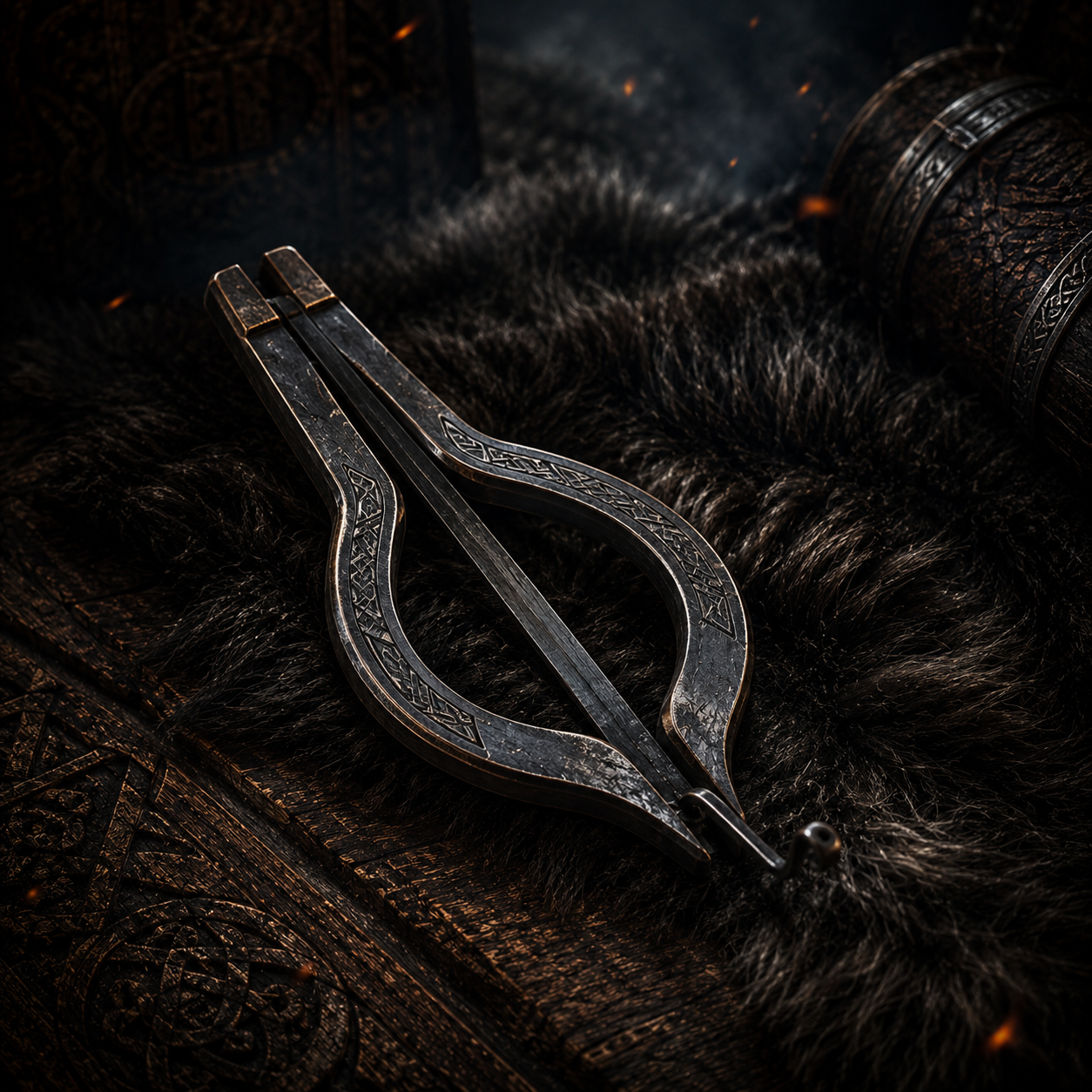
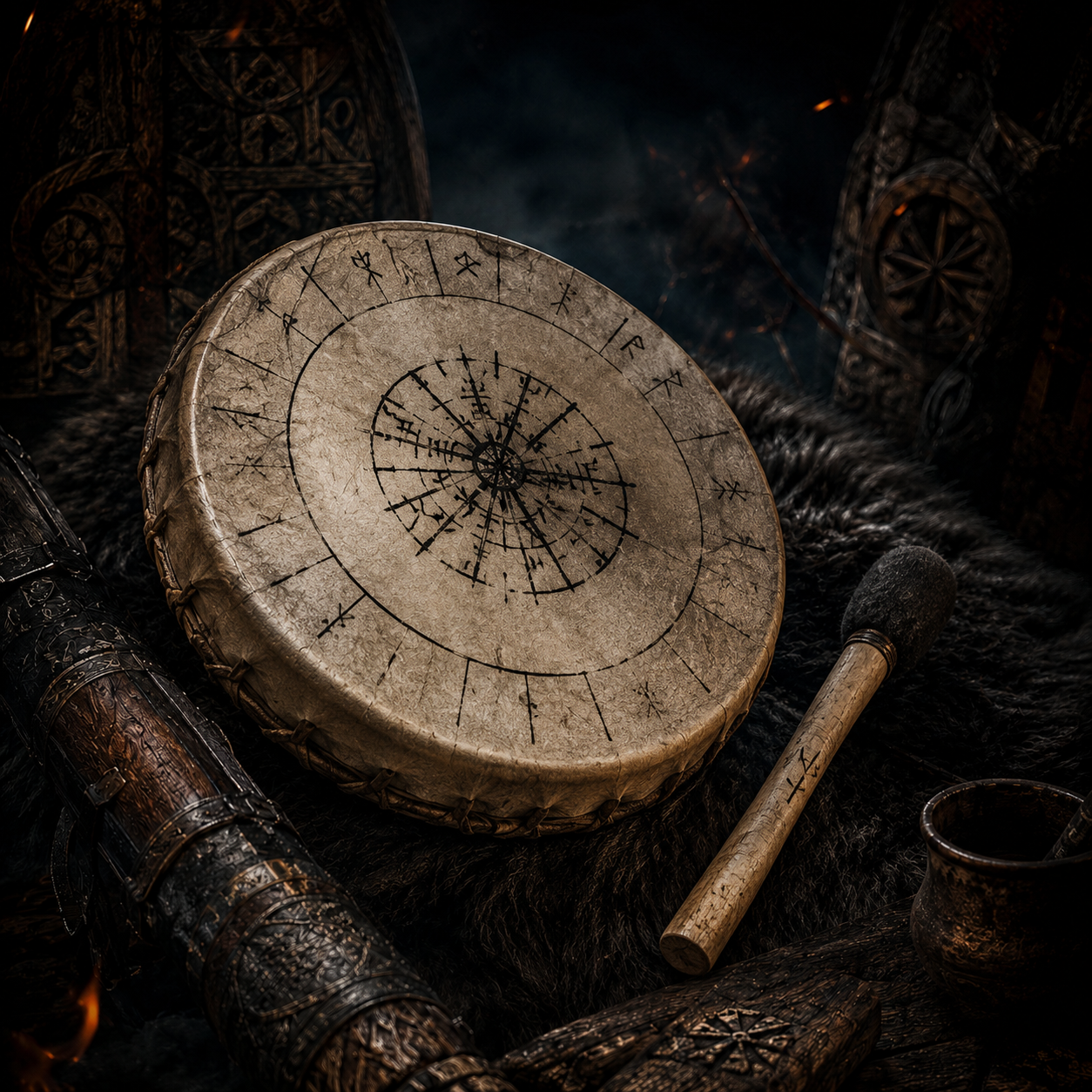
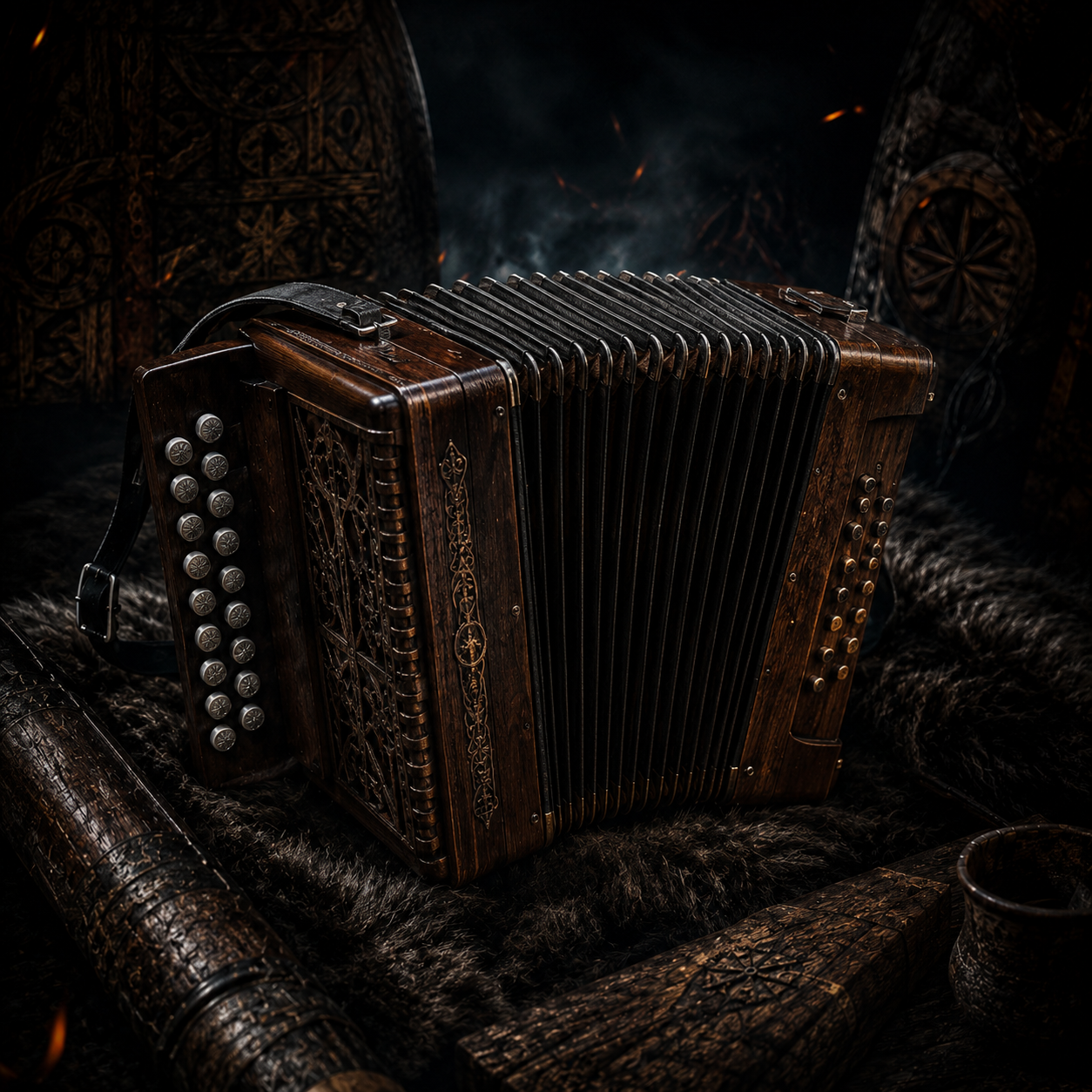
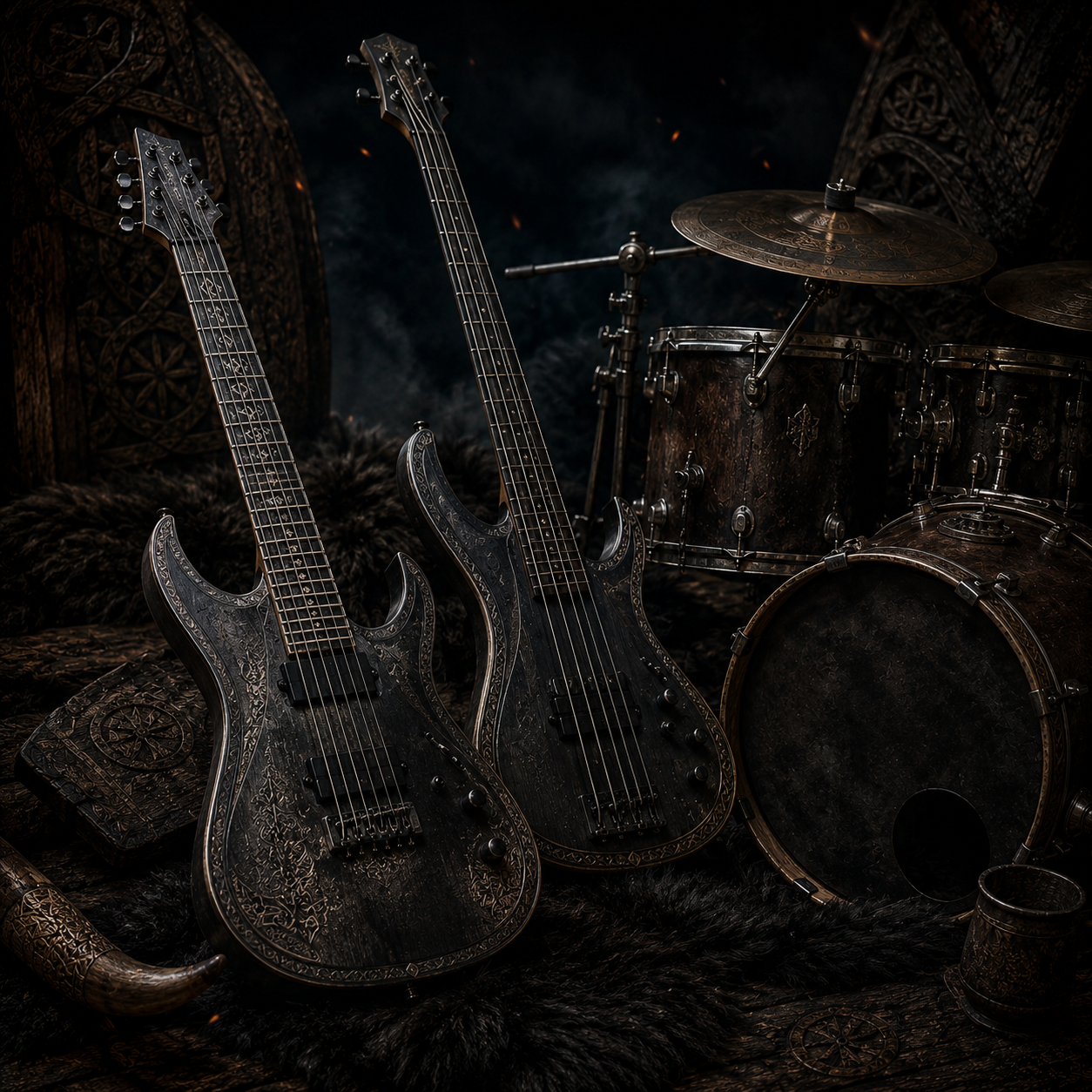
Musically, Hjartarvé command an unusually broad folk-metal palette without ever sounding like they are showing off. Nyckelharpa and hardanger fiddle carry as much melodic weight as the guitars; jaw harp and bone flute do real structural work rather than ornamental cameo duty. The tremolo riffing of opener "Hjǫrtr í Eldi" gives way, two tracks later, to the gang-shouted humppa swagger of "Mjǫðrhǫll Eilíf," which is the most fun anyone has had on a Nordic stage since Korpiklaani last fell off one. And then — and this is where the album turns from good to remarkable — "Fimbulvetr Án Vár" arrives like a glacier. Slow, crushing, doom-paced, harsh-vocal despair trading with deep clean dirge, and a bridge in which the recurring invocation "Heyr oss, Skogarmóðir" finally, devastatingly, goes unanswered. The forest-mother who blessed the march in track 3 does not hear the village in track 6. It is the heaviest moment on a heavy record, and there is not a blast beat in it.
The two acoustic islands — "Vetrarkumbl," a hushed funeral rite, and closer "Várkoma," a tender pagan vernal hymn — are not breathers. They are load-bearing. The album's structural symmetry, with these two acoustic pieces flanking six metal tracks and the recurring "vér erum heim komin" ("we are come home") bookending the record, reveals itself slowly on repeated listens, the way the runes on a weathered stone reveal themselves only when the light falls right.
A note on the language. The lyrics are written in a mock-archaic register sprinkled with genuine Old Norse — heyr oss, skál til Skogarmóðir, galdr vǫlvunnar, fimbulvetr án vár — and the spelling honours the eth and the o-with-tail where it should. Some will find this precious. They are wrong. The phonetics do half the heavy lifting on this record, and the band have the good sense to let the consonants clatter against the snares like axes against shields.
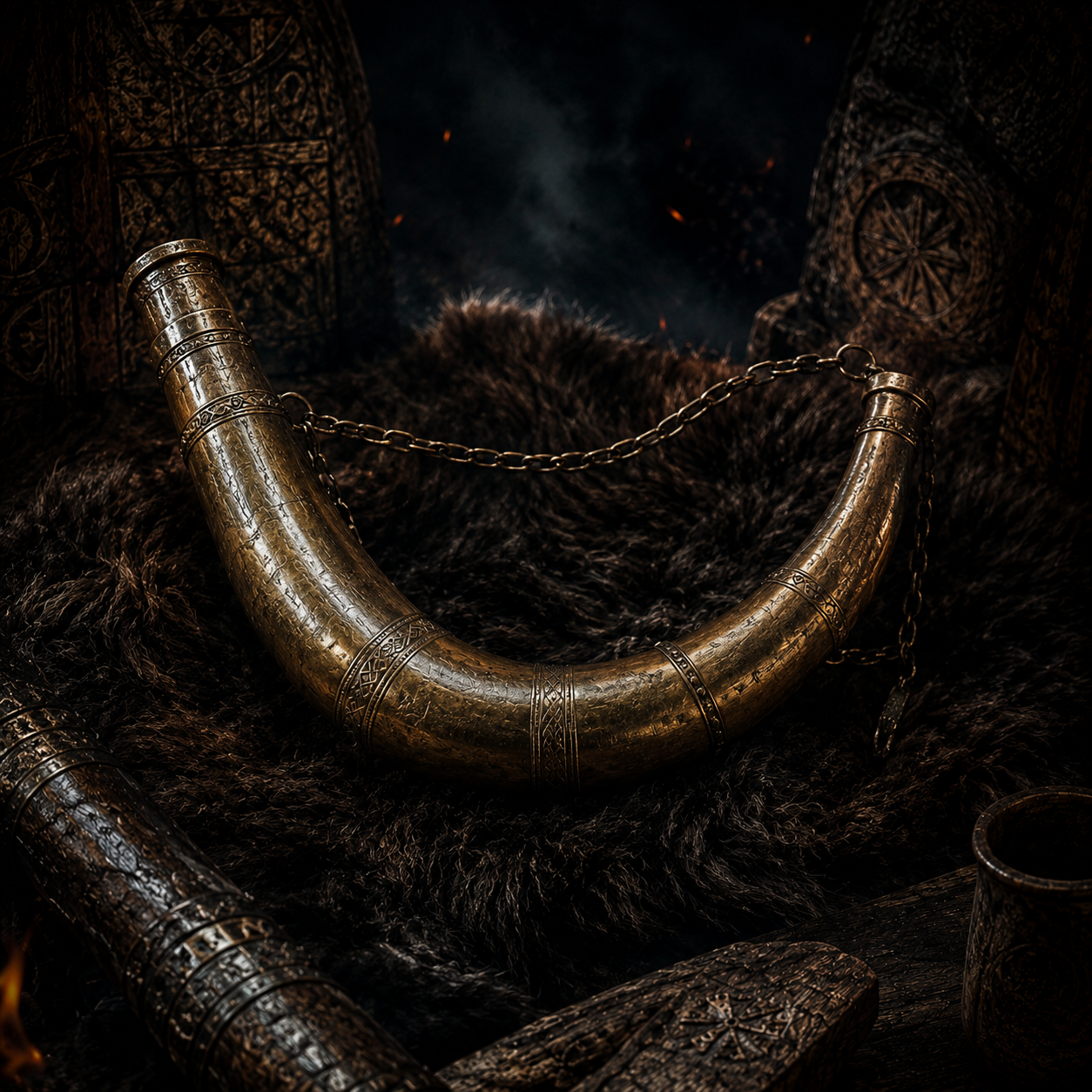
If there is a complaint to be made, it is that the production is sometimes too raw for its own good — the warband choirs on "Hornblástr Drengja" want a touch more low end to truly flatten the listener — but this is the complaint of a man who wants more of a thing he already loves. "Heyr Oss, Skogarmóðir" is not a debut. It is an arrival. Light the bonfire. Pour the horn. Hjartarvé have come down from the trees, and they have brought the forest with them.